Home Buying
Buying a House in Butler County, PA, in Winter: What to Check Before You Offer
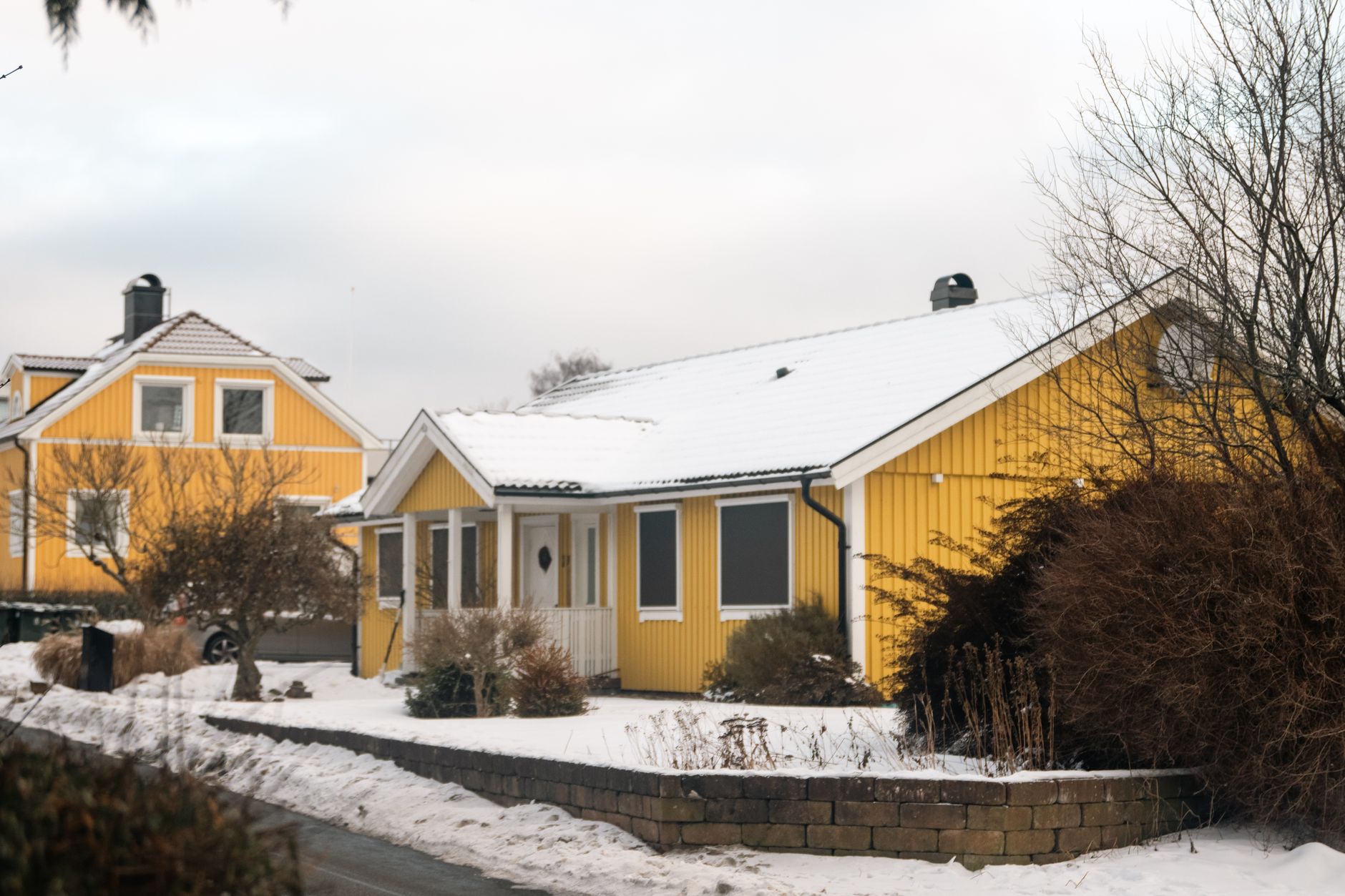
A cleared driveway can make a January showing feel straightforward. I want to know what happens after the next storm. For buyers weighing a Cranberry Township townhouse against a house near Butler or Slippery Rock, winter gives us useful clues—but snow can hide expensive ones.
Follow the plow all the way home
Cranberry Township’s 2025–26 snow plan counts 330 cul-de-sacs and distinguishes state-maintained Route 228 from privately maintained streets in Park Place. That distinction matters: PennDOT says it treats major highways before less-traveled rural roads and aims to keep roads passable, not necessarily bare. Ask who maintains the street serving the house, who clears the driveway entrance, and whether a developer or association has a winter-service arrangement. Cranberry’s crews do not clear private driveways.
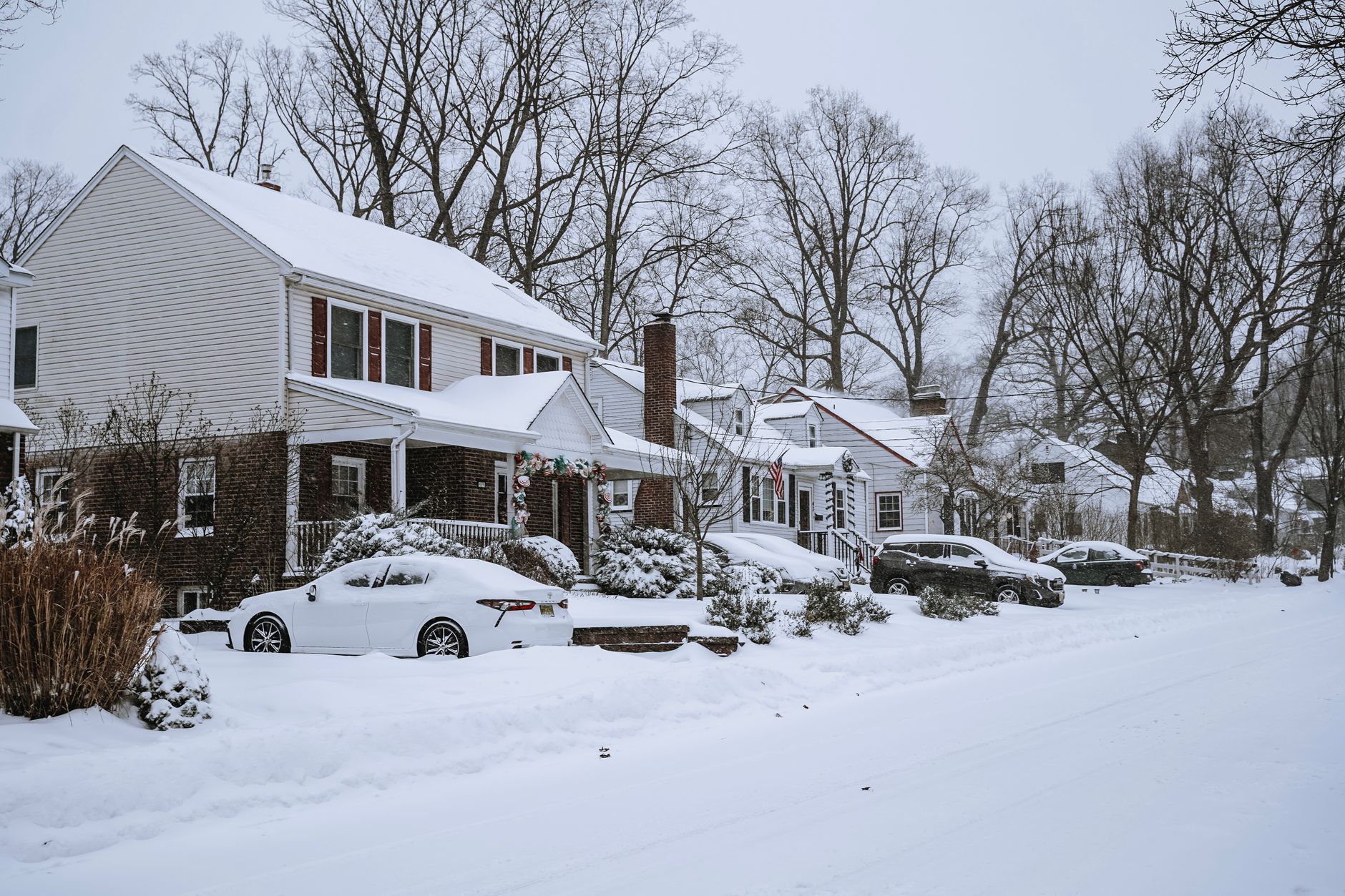
On a return visit, I’d check:
- The slope and shade on the driveway, especially near the road.
- Where plowed snow piles up and where meltwater will run.
- Which sidewalks and shared lanes are someone else’s responsibility.
Treat snow as an inspection limitation
A white roof is not a roof inspection. Ask your inspector what they can safely see, what remains concealed, and whether a follow-up visit after a thaw is worth arranging. Inside, have them assess the heating system, attic ventilation and insulation, exposed plumbing, and signs of past moisture around basement walls and the sump pump. Personally, I look at the downhill side of the lot before I get distracted by the kitchen.
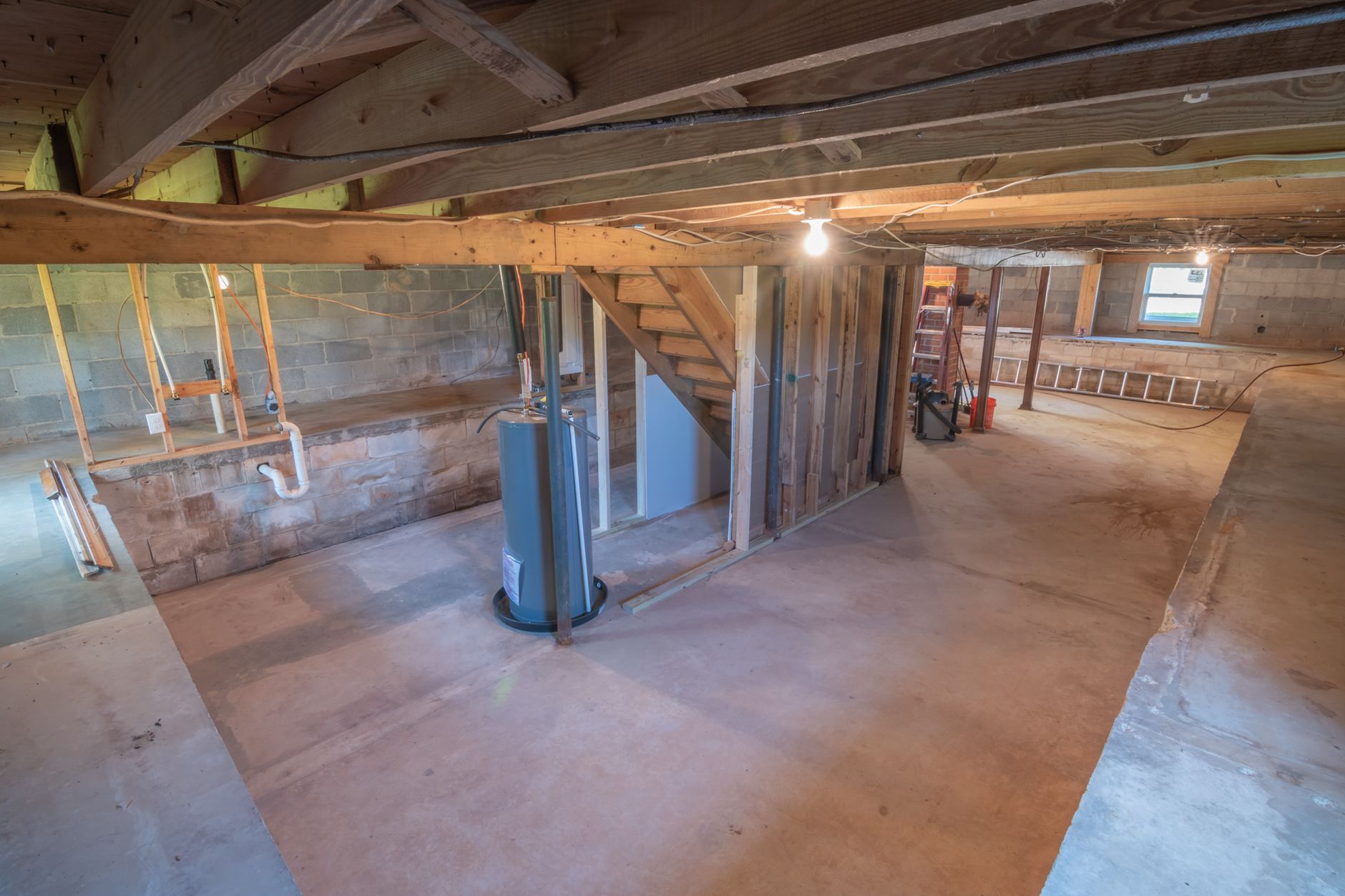
Pennsylvania’s seller disclosure asks about roof leaks, basement water, drainage, and shared maintenance, but it is not a substitute for inspections. For a Cranberry property, the township’s floodplain viewer is another useful check; a frozen yard tells you little about spring runoff. I’d also arrange radon testing rather than guess from a neighborhood name: Pennsylvania DEP says testing is the only way to know a home’s level.
Write the offer around what you still need to learn
Before making an offer on a Butler County home, I’d separate visible concerns from questions only a qualified inspector can answer. If snow blocks the roof, grading, or septic access, discuss inspection timing and any possible return visit with your agent and inspector before settling on contract language. Don’t assume a thaw will arrive before your deadlines.
Winter can show you how a property works. It can also conceal the part you most need to check.
You can start your home search, compare the areas I serve, or talk with me about a winter offer. I’m David Clark, Pennsylvania-licensed agent RS379453 with WithJoy.AI Inc.; the brokerage number is (800) 801-9343.
Contract and inspection information here is informational, not legal or financial advice.
Sources
Frequently asked questions
- Who plows a street in Cranberry Township if I buy there?
- It depends on the address. Cranberry Township’s 2025–26 snow plan separates township, state, and privately maintained roads; some developing streets may have seasonal winter-service agreements. Confirm the specific street and driveway responsibility before making an offer.
- Can a winter home inspection in Butler County fully check a snow-covered roof?
- Not necessarily. Snow and unsafe access can limit what an inspector can see. Ask the inspector to document inaccessible areas and discuss whether a written follow-up arrangement is appropriate.
- Should I test for radon when buying a Butler County home in winter?
- Yes, consider a test rather than relying on assumptions about the location. Pennsylvania DEP says testing is the only way to know a home’s radon level and notes that the heating season is useful for radon monitoring.
- What should I ask about a shared driveway before offering on a Butler County home?
- Ask who clears and pays for snow removal, whether there is a written maintenance agreement, and what access is available during a storm. Pennsylvania’s seller disclosure includes a question about shared areas and maintenance agreements, but review the documents and property conditions separately.